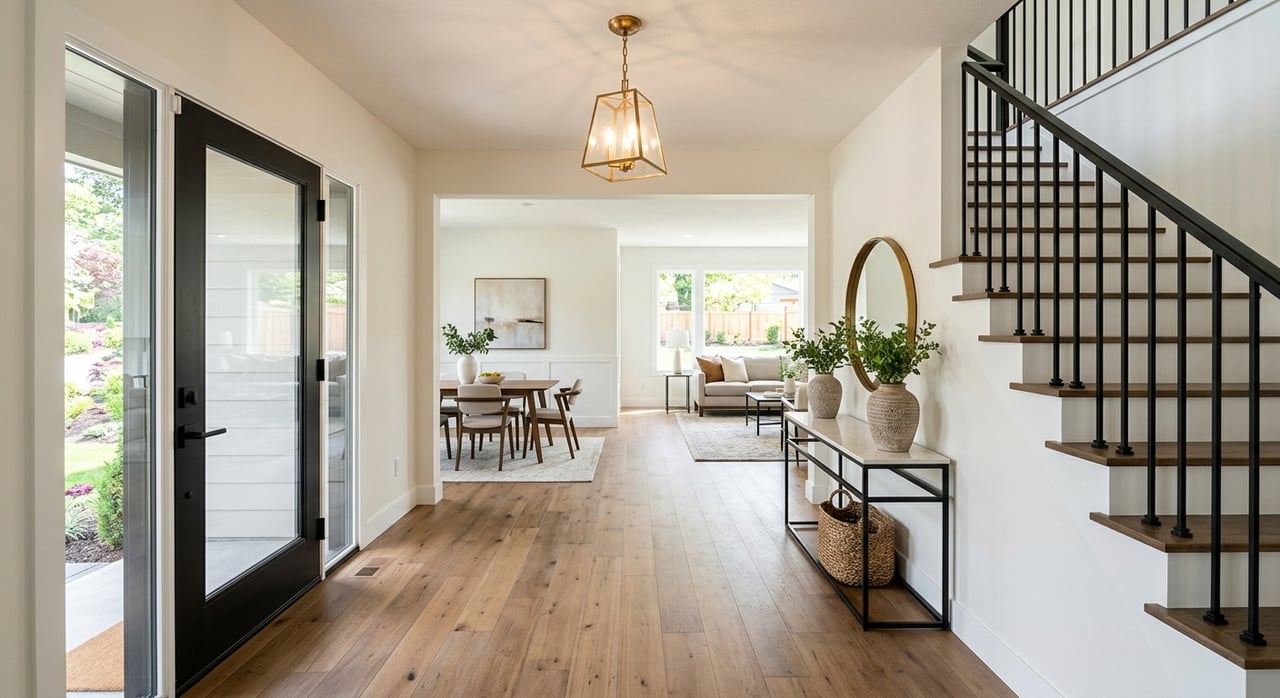
Schertz Home Selling Timing in a Military-Driven Market
May 21, 2026
May 21, 2026
If you own a home in Schertz, timing your sale is not just about spring flowers and school-year routines. This market is shaped by something more specific: steady relocation activity tied to Joint Base San Antonio-Randolph, along with regular civilian demand across the I-35 and I-10 corridor. That creates a market where preparation, pricing, and speed matter just as much as seasonality. In this guide, you’ll learn how to read Schertz’s military-driven patterns, what the latest local numbers suggest, and when to list if you want the best shot at a smooth sale. Let’s dive in.
Schertz is not a typical suburban market. The city points to major employers in town, a strong connection to military and defense-related work, and a population where about 22% of residents are veterans. With Randolph nearby and thousands of military members, dependents, and Department of Defense civilians connected to the installation, buyer demand often includes households moving on a deadline.
That matters when you sell. In Schertz, demand is not driven only by lifestyle moves or broad San Antonio trends. It is also influenced by relocation timelines, which can make buyers more focused on quick decisions, clean presentation, and homes that feel ready from day one.
The February 2026 Schertz market report shows a market that is active, but not overheated. There were 43 residential closings, 57 new listings, 64 pending sales, and 309 active listings. Median price came in at $395,000, while homes sold at about 95.0% of original list price.
The market is also moving at a reasonable pace. Schertz posted 79 days on market and 5.4 months of inventory in February 2026. Compared with the broader San Antonio area, that suggests Schertz is a bit faster, but still balanced enough that buyers have options.
This is the key takeaway for sellers: Schertz is not a runaway seller’s market. It is a balanced market where strong presentation and disciplined pricing still matter. If you price too high or wait too long to prepare, buyers may simply move on to another resale or a nearby new-build option.
Across the region, the data supports a steady, measured environment. SABOR described the San Antonio area as normalized and balanced, with modest growth expected in 2026. In April 2026, the broader area posted about a six-month supply of homes, a median price of $307,000, and homes selling at roughly 93% of original list price.
That backdrop is useful because it helps set expectations. If you are thinking about selling in Schertz, this is a market where strategy wins over wishful thinking. Buyers are still active, but they are paying attention to value, condition, and competing inventory.
For many Schertz sellers, the strongest window is usually late winter through early spring. National 2026 timing research identified the week of April 12 through 18 as the strongest listing week, with historically higher prices, more listing views, fewer days on market, and fewer competing sellers than the average week.
In Schertz, that spring advantage lines up with something local buyers care about: the military relocation season. Military OneSource says PCS activity tends to peak in May, June, July, and August, sometimes stretching into September. Since service members generally cannot schedule a move until official orders are in hand, many military buyers shop with a compressed timeline.
That means waiting until summer to get your home ready may put you behind the wave instead of in front of it. If you want to catch both military relocation demand and civilian move-up buyers, it often makes sense to prep your home in winter and list before peak PCS congestion ramps up.
A lot of sellers underestimate how long preparation takes. Realtor.com found that 53% of sellers took one month or less to get ready to list. In a market like Schertz, that can be risky.
Military-driven demand often rewards homes that are easy to understand and easy to act on. Buyers may need quick showing access, complete property details, and a home that feels move-in ready without a long repair list. Starting early gives you more time to handle repairs, declutter, stage, and launch with confidence instead of rushing to market.
If you are on the fence, these are often good signals that it may be smarter to move now rather than wait:
Freddie Mac reported a 30-year fixed average of 6.36% as of May 14, 2026. In a balanced market, even small rate changes can affect how many buyers qualify. That is why it is smart to watch rates and inventory together, not treat either one as the only signal.
One of the biggest mistakes sellers make is pricing based on old headlines or peak-market memories. In February 2026, Schertz homes sold at about 95% of original list price. That tells you buyers are still paying close to ask when pricing is realistic, but they are not blindly chasing overpriced listings.
A smart pricing strategy should reflect current competition, current buyer affordability, and your home’s actual condition. If you overshoot, you may lose valuable momentum during the first weeks on market, when your listing is most visible and buyer interest is usually strongest.
At The Impact Group, this is where local pricing strategy really matters. In a balanced market, the goal is not just to list. The goal is to launch at a number that attracts serious attention while protecting your bottom line.
In Schertz, you are not competing only with other resale homes. New construction is a meaningful factor. The February 2026 report showed a median price of $291,500 for existing homes and $489,990 for new construction, which highlights a wide split in product and pricing.
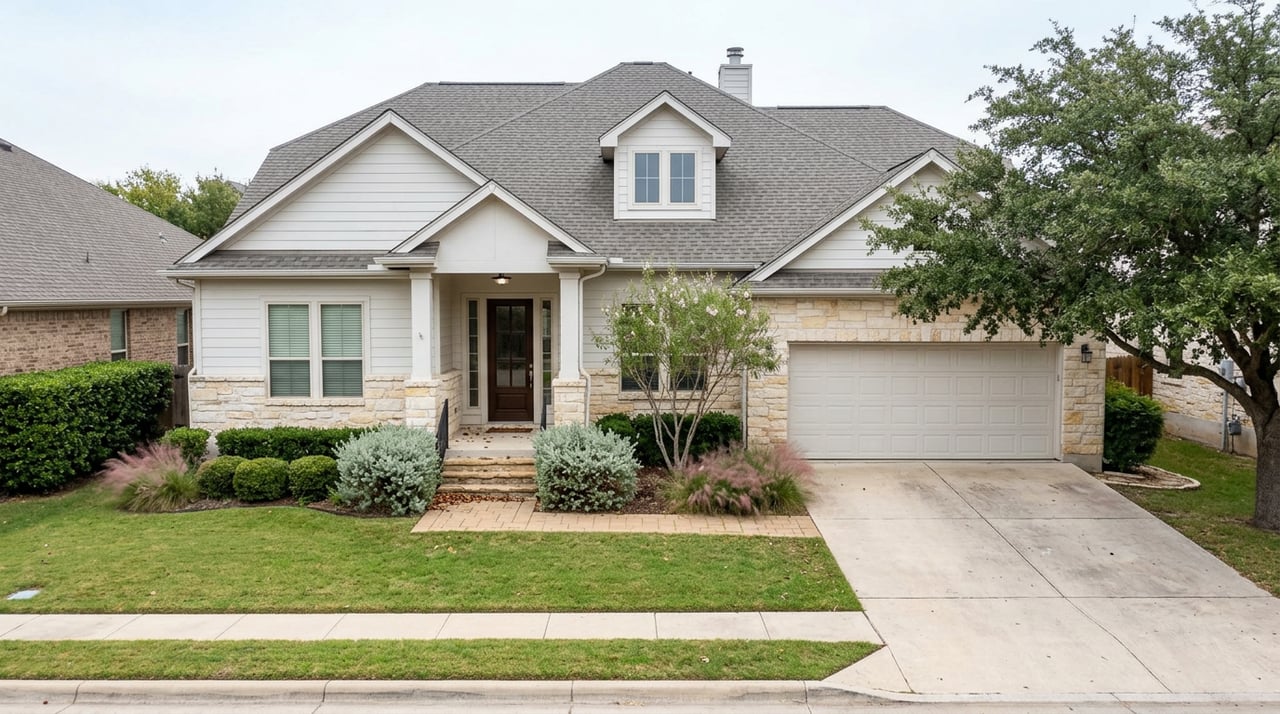
That does not mean resale homes are at a disadvantage. It means your home needs a clear story. If a buyer can compare your listing with a builder’s inventory, your marketing should make the value easy to see.
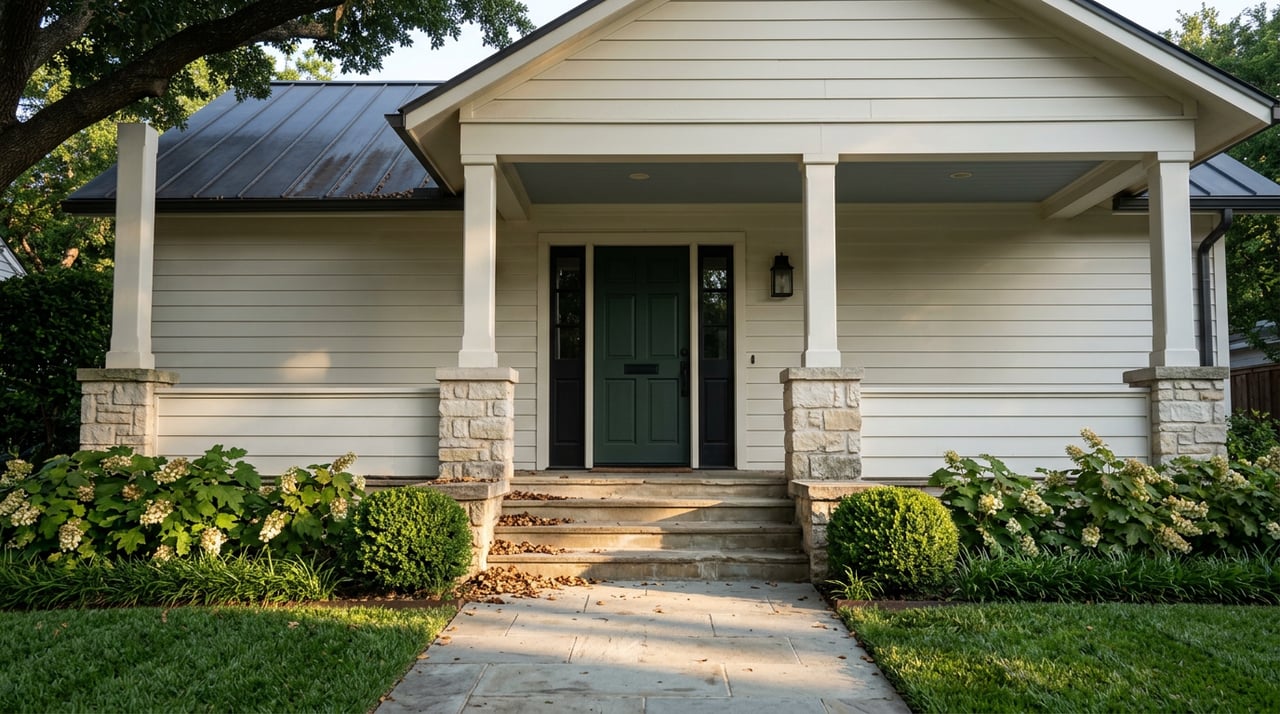
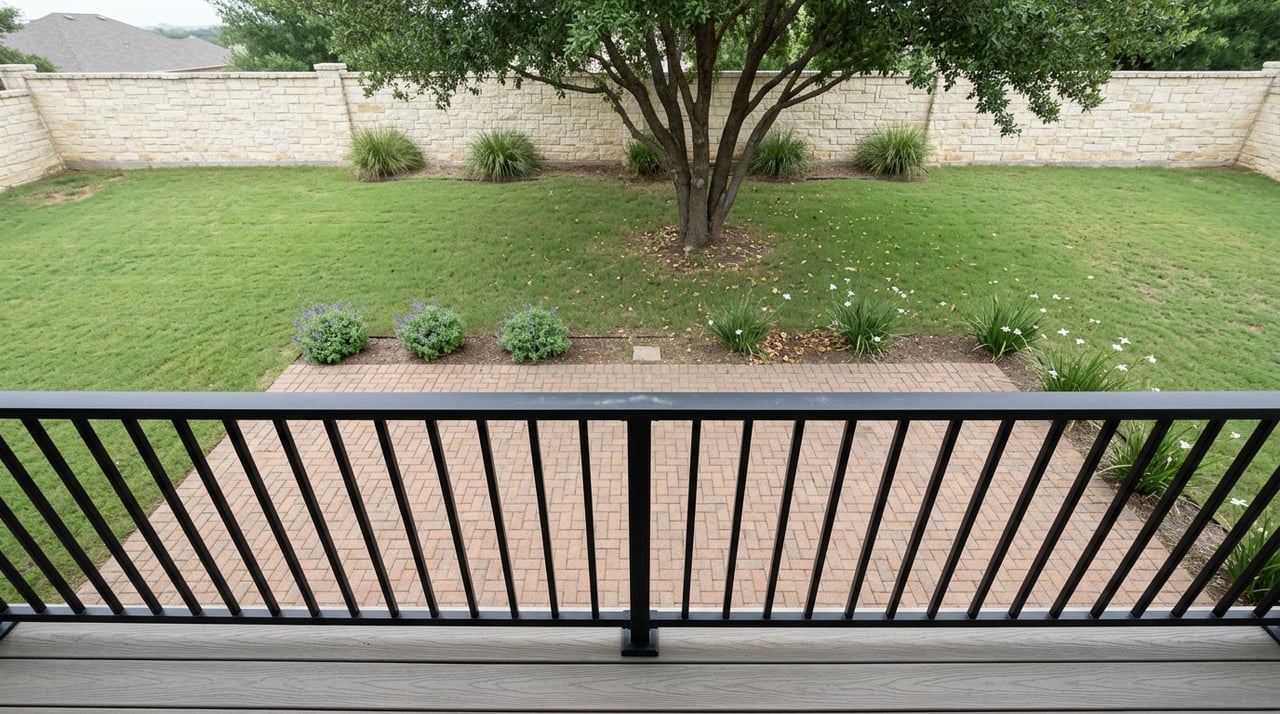
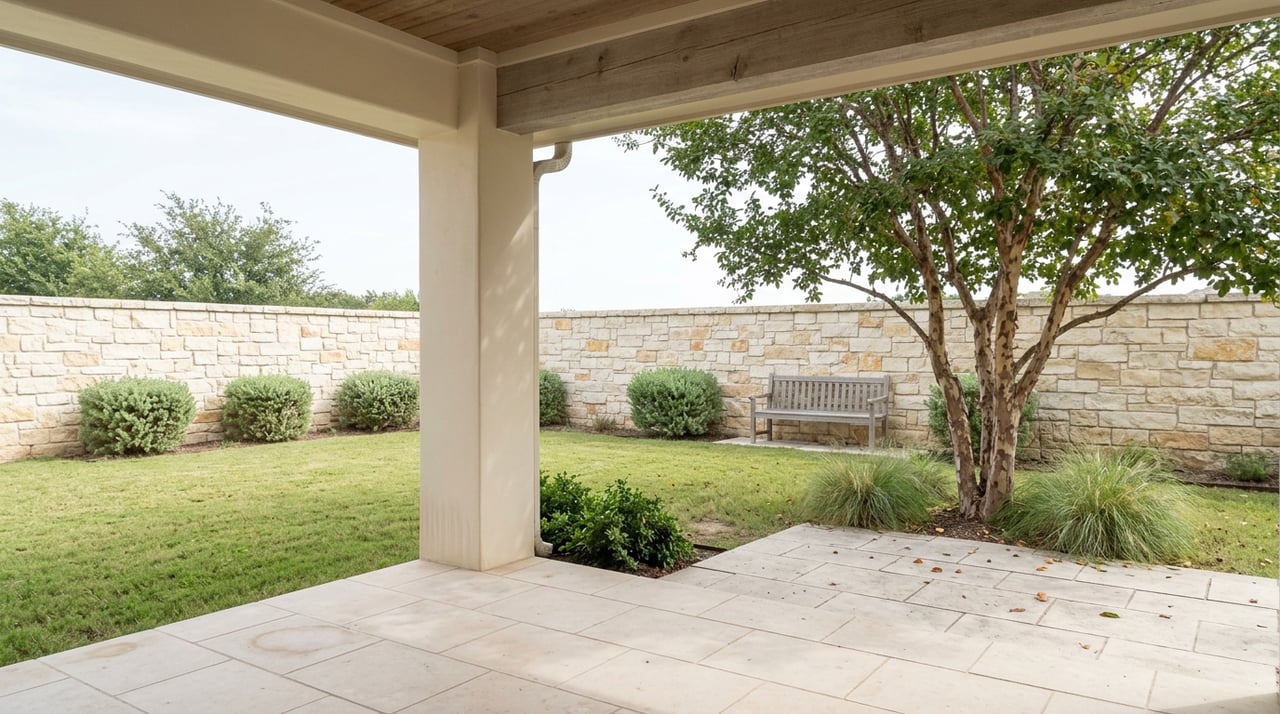
Focus on the features buyers can appreciate right away:
Strong marketing also matters. Professional staging, photography, video, and a clear presentation can help your home stand out when buyers are comparing several options in a short window.
Schertz sellers benefit when they think beyond the traditional weekend open-house model. Relocation buyers, especially military households, often need information fast and may be making decisions from a distance.
Your listing should answer questions before buyers have to ask them. The more organized and complete your presentation is, the easier it is for a relocating buyer to picture the home and move forward.
This is one reason concierge-style service can make such a difference. In a market influenced by relocation timing, communication speed is not just a nice touch. It can directly affect whether a buyer chooses your home or keeps searching.
If your goal is to sell into the strongest part of the spring market, work backward from your ideal list date.
| Timeline | What to do |
|---|---|
| 8-10 weeks before listing | Review local pricing, identify repairs, and create a prep plan |
| 6-8 weeks before listing | Declutter, schedule touch-ups, and begin staging prep |
| 3-4 weeks before listing | Complete final cleaning, photos, video, and listing materials |
| List in late winter to early spring | Aim to reach both civilian and PCS-driven buyers before peak summer rush |
| First 2 weeks on market | Watch showing activity, feedback, and pricing response closely |
This kind of timeline gives you room to make thoughtful decisions instead of reactive ones. It also helps your home hit the market in polished condition, which is especially important in a balanced market.
Many sellers wonder if they should hold off until mortgage rates drop. The challenge is that rates are only one part of the picture. Inventory levels, buyer confidence, seasonality, and your own plans matter too.
In Schertz, waiting for a perfect rate environment may not be the most useful strategy. If your home is ready, priced well, and launched at the right time of year, you can still meet serious buyers in a balanced market. Often, the better question is not whether rates will fall, but whether your home will be more competitive now or later.
If you want to sell in Schertz, think in terms of preparation and positioning, not just a calendar date. This market has a spring bias, but it is also shaped by military relocation cycles, buyer affordability, and competition from both resale and new construction. In most cases, sellers who prepare early and list before peak PCS season have an edge over those who wait until summer.
The good news is that Schertz still shows healthy demand. Homes are selling, buyers are active, and pricing remains relatively steady. But in this kind of market, success usually goes to sellers who plan ahead, price carefully, and present their home like it is ready for a buyer on a deadline.
If you are thinking about your next move, Bryan Warhurst can help you read the Schertz market, build a smart listing strategy, and prepare your home to stand out.


The Impact Group is a team of experienced, licensed real estate agents serving San Antonio and surrounding areas. With a proven track record of getting results quickly and a direct line of communication at all times.