Trying to choose between Bulverde and Spring Branch? You’re not alone. Many families weighing space, commute, and weekend lifestyle compare these two Hill Country communities. In this guide, you’ll learn how costs, lot sizes, HOAs, drive times, and outdoor access differ so you can decide what fits your family and budget. Let’s dive in.
Quick snapshot: who each area fits
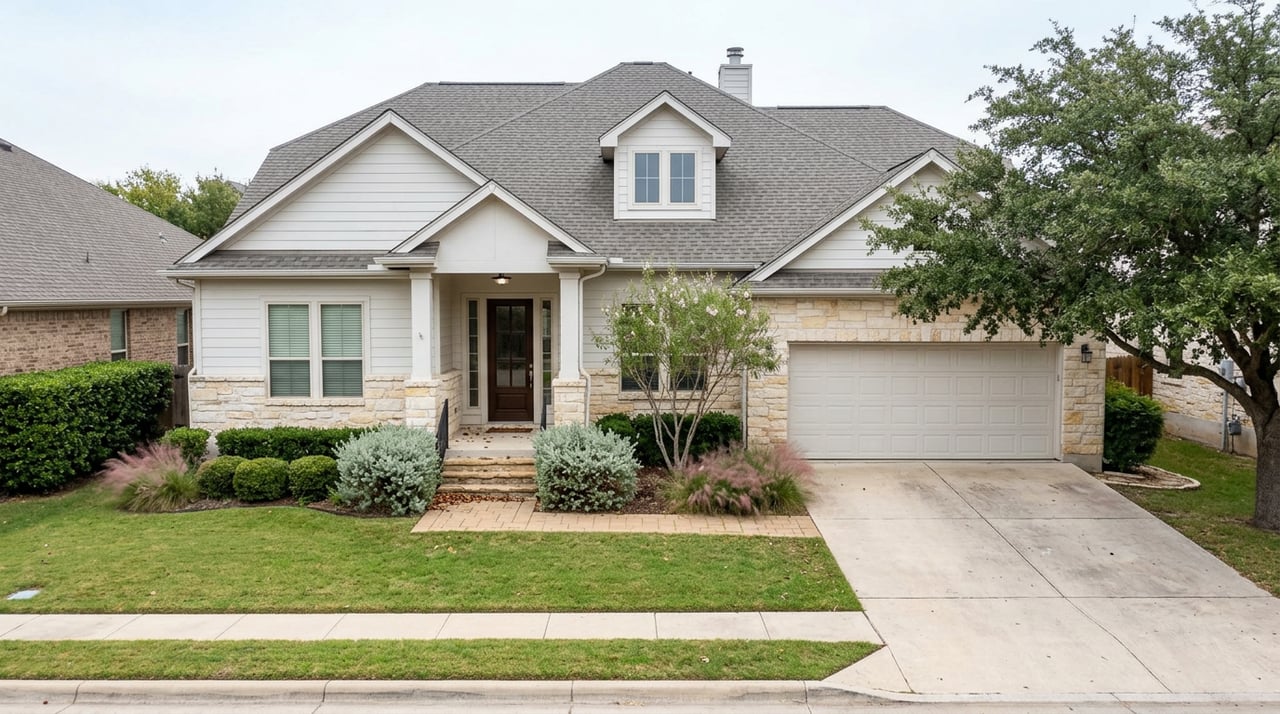
- Bulverde: You want newer suburban conveniences, quicker access to major roads, and predictable neighborhood amenities. Smaller to moderate lots are common.
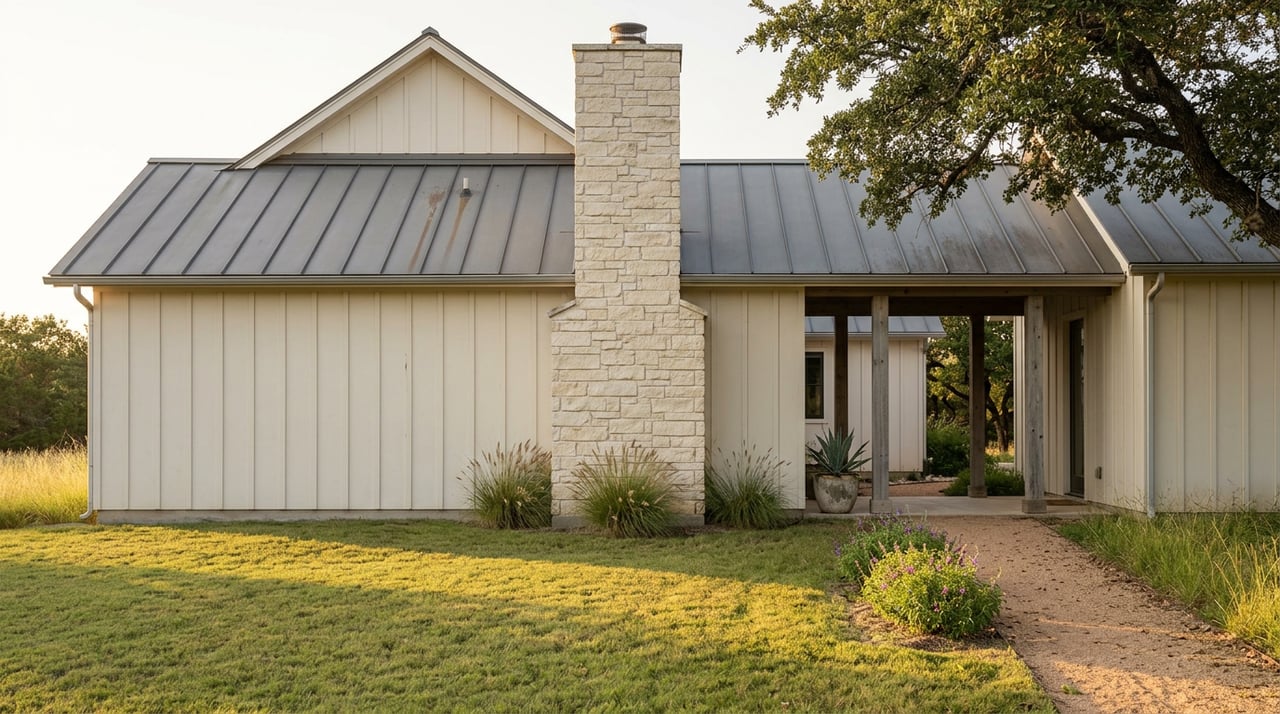
- Spring Branch: You want more land, privacy, and a river-centered lifestyle. Acreage, wells/septic, and lower-density areas are common.
Cost of ownership: what changes by location
Costs go beyond the purchase price. Look at taxes, HOA or POA dues, MUD taxes, utilities, insurance, and land-related maintenance.
Bulverde cost patterns
- More subdivisions and new-construction communities often mean regular HOA dues and, in some neighborhoods, MUD taxes.
- Pricing often reflects demand from commuters and newer neighborhoods.
- Public water and sewer are more common in certain areas, which may simplify utility planning.
Spring Branch cost patterns
- Larger lots and acreage mean costs can vary widely from property to property.
- Many parcels are outside HOAs, which can lower dues but increase owner responsibility for roads, fencing, and maintenance.
- Wells and septic systems are common and require testing, permits, and periodic service.
What to verify on any property
- Last 3 years of property tax bills and whether a MUD applies.
- HOA or POA dues, budgets, reserve status, and any special assessments.
- Water and sewer provider or well and septic details, including recent service.
- Insurance factors: distance to fire services, wildfire exposure, and floodplain status.
Lot sizes and land use norms
Bulverde lot mix
- Many master-planned and tract neighborhoods with small to moderate lots.
- Neighborhood infrastructure and design standards are common.
- Yards are easier to maintain compared to acreage, which can reduce time and cost.
Spring Branch acreage
- More half-acre to multi-acre parcels and ranch-style holdings.
- Good fit if you want room for animals, recreation, or a workshop, subject to local rules.
- Maintenance can be higher due to longer driveways, fencing, and vegetation management.
What to look for on site
- Fencing and cross-fencing, slope, and any floodplain indicators.
- Access and road type, especially on private or shared drives.
- Space for future improvements, such as an accessory building, if allowed.
HOA and POA norms, covenants, and enforcement
Bulverde associations
- Many communities have HOAs with design standards, lawn and exterior rules, and amenities like pools or trails.
- Architectural control committees are common. Dues vary by neighborhood.
Spring Branch associations
- More non-HOA properties and smaller POAs. Where HOAs exist, rules and budgets can be less uniform.
- Rural covenants may focus on land use, septic/well guidelines, and animal-related rules.
Documents to request before you tour
- Full HOA or POA rules, bylaws, budgets, meeting minutes, and any pending lawsuits.
- Restrictions on accessory dwellings, short-term rentals, animals, fencing, and home businesses.
Commute routes and drive-time trade-offs
- Primary routes to San Antonio and regional job centers include US-281, State Highway 46, and Loop 1604 connections.
- Properties closer to US-281 tend to offer quicker commutes but may have more traffic noise.
- Rural parcels often require longer drives on two-lane roads and can be affected by school and weekend traffic.
Before you tour: test your commute
- Time-drive your morning and evening routes to key destinations.
- Check typical congestion points and school-day traffic.
- Map door-to-door times to workplaces, childcare, and frequent shopping.
Daily convenience: shopping, schools, and services
- Bulverde: More immediate retail corridors, groceries, restaurants, and fitness options along major roads. Day-to-day errands can be simpler.
- Spring Branch: Smaller commercial nodes and more river-oriented services. For big-box retail, you may drive to Bulverde, New Braunfels, or San Antonio suburbs.
Schools and services to verify
- Confirm school attendance zones with the district for your specific address.
- Check proximity to medical clinics, hospitals, and fire stations.
- Ask about response times and how coverage may affect insurance.
Outdoor access and lifestyle
- Spring Branch: Strong connection to the Guadalupe River, with public access points nearby and private riverfront parcels in some areas.
- Bulverde: Hill Country scenery with neighborhood parks and trails. Certain locations offer practical access to Canyon Lake.
Nature-related risks and utilities
- Flood risk: If near the river, review FEMA flood maps and consider flood insurance. Ask for an elevation certificate if applicable.
- Wildfire interface: Evaluate defensible space, vegetation, and fire service coverage.
- Water resources: Clarify if the home is on public water or a private well, and whether sewer or septic serves the property.
Resale and marketability
- Bulverde subdivisions: Broader buyer pool, more comparable sales, and typically straightforward financing for standard single-family homes.
- Spring Branch acreage: Appeals strongly to buyers who want privacy or river access, but the buyer pool can be narrower. Marketability can depend on parcel shape, access, utilities, and flood or wildfire constraints.
Due diligence that protects resale
- Updated survey showing easements, road access, and any floodplain.
- Septic permits and service records; well yield and water quality tests where applicable.
- HOA covenants that could limit future improvements or rental options.
Side-by-side priorities checklist
Use this quick list to weigh your must-haves:
- Commute: Proximity to US-281 and 1604 vs. rural roads.
- Lot size: Small to moderate neighborhood lots vs. half-acre to multi-acre parcels.
- HOA/POA: Predictable rules and amenities vs. more flexibility with fewer shared amenities.
- Utilities: Public water/sewer vs. well and septic.
- Insurance: Fire coverage proximity and wildfire or flood exposure.
- Recreation: Neighborhood parks and trails vs. river access and acreage activities.
- Budget: HOA/MUD dues and suburban pricing vs. variable costs for land, maintenance, and utilities.
Pre-tour checklist for move-up families
- Run your commute during peak times for each target property.
- Request the last 3 years of property tax bills and confirm any MUD taxes.
- Obtain HOA or POA documents, budgets, and meeting minutes; ask about special assessments.
- Confirm water source and sewer or septic; review permits and recent service.
- Check FEMA flood maps; ask for an elevation certificate if indicated.
- Request recent utility bills for electric, water, and sewer or MUD.
- Verify school zones with the district and confirm bus routes.
- Ask about fire department coverage and ISO rating.
- For riverfront or riverside properties: request historical river-level and erosion data.
- Clarify deeded access, road maintenance agreements, and any mineral rights.
What should you do next?
If you want suburban convenience with newer neighborhoods, Bulverde often checks the boxes. If you want room to spread out and a river-forward lifestyle, Spring Branch may be your match. The best next step is to compare specific properties using the checklist above, then time-drive your top two commutes.
When you are ready, schedule a consult with Bryan Warhurst. We will help you request the right documents, review risks, and line up tours that fit your budget and lifestyle.
FAQs
How do total monthly costs compare for Bulverde vs Spring Branch?
- Bulverde homes often include HOA and sometimes MUD dues with public utilities, while Spring Branch acreage may have well and septic costs with fewer or no HOA dues; insurance and maintenance depend on location and lot size.
What lot sizes are typical in each area?
- Bulverde commonly offers small to moderate subdivision lots, while Spring Branch sees more half-acre to multi-acre parcels and ranch-style tracts.
How common are HOAs in Bulverde and Spring Branch?
- HOAs are more prevalent in Bulverde subdivisions; Spring Branch has more non-HOA or small POA areas with varied rules and fewer shared amenities.
Which commute routes serve both areas?
- US-281 is the primary corridor, with connections along State Highway 46 and Loop 1604; traffic patterns vary by property and time of day.
What outdoor activities define each location?
- Spring Branch is closely tied to the Guadalupe River for tubing and on-water recreation, while Bulverde neighborhoods often offer parks, trails, and access to Hill Country scenery.
What due diligence best protects resale value?
- Get a current survey, verify flood and wildfire exposure, confirm HOA rules, and obtain septic, well, and utility records to avoid surprises and support future buyer confidence.