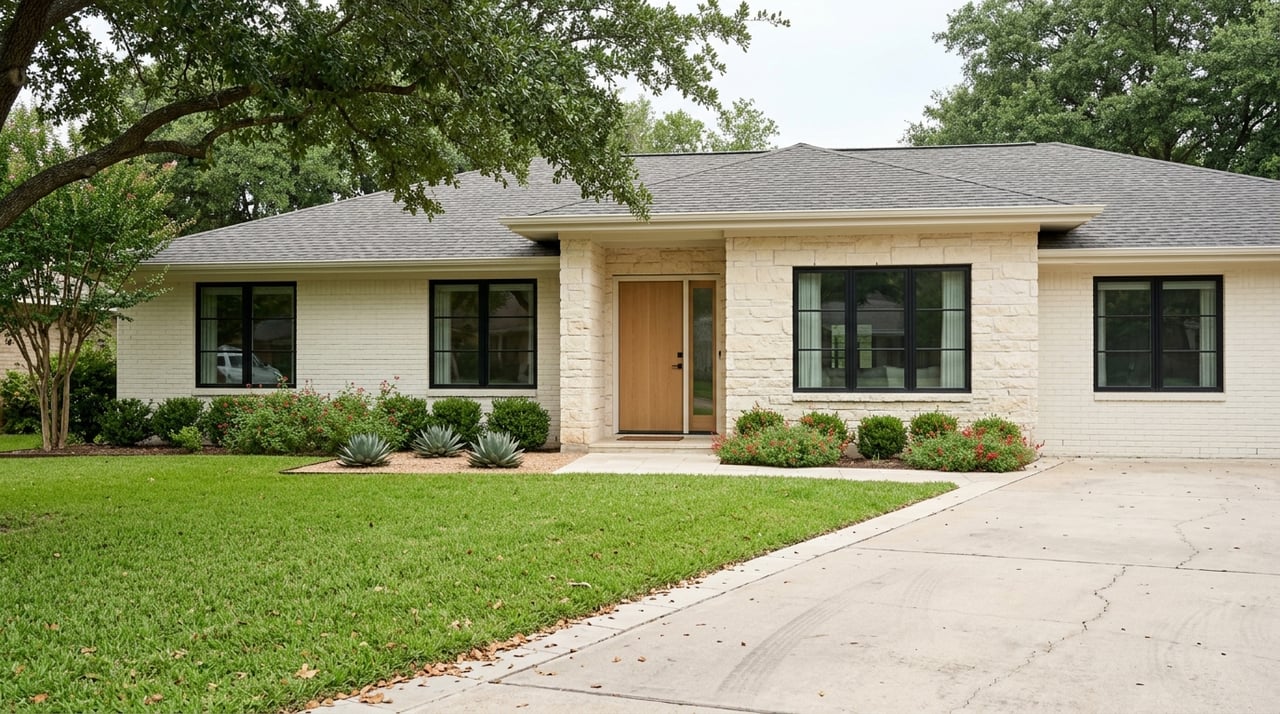
Home Styles And Architecture In Alamo Heights
June 18, 2026
June 18, 2026
If you have ever driven through Alamo Heights and thought, "Why does every block feel a little different?" you are not imagining it. This city developed in layers, and that shows up in the homes, streets, lot shapes, and the way architecture responds to trees and terrain. If you are trying to buy, sell, or simply understand what gives this area its appeal, this guide will walk you through the main home styles in Alamo Heights and what they can mean for daily life. Let’s dive in.
Alamo Heights does not read like a one-style neighborhood. According to the city’s history and planning documents, it grew over time rather than in one single building wave, with streets that follow the land and mature trees that remain a defining part of the setting.
That layered growth helps explain why one drive can take you past smaller cottages, postwar ranch homes, larger custom properties, and multifamily buildings in the same broader area. For buyers, that means you can often find very different living experiences within the same city.
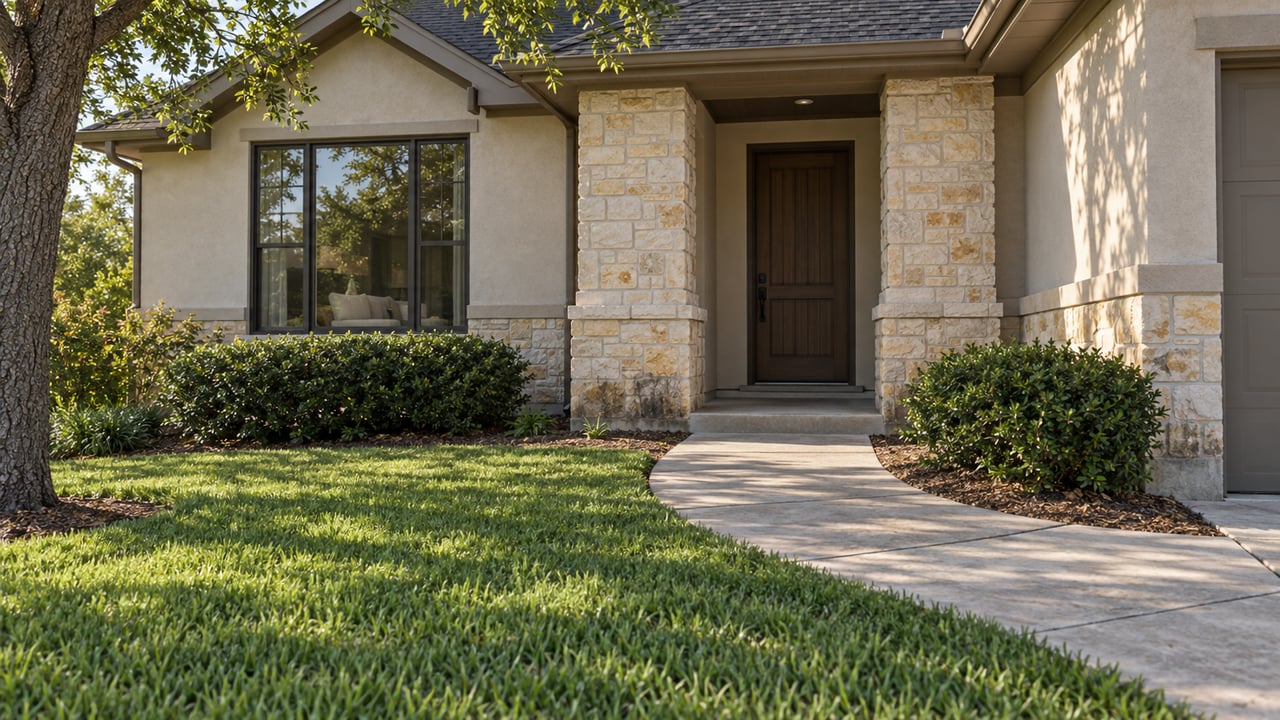
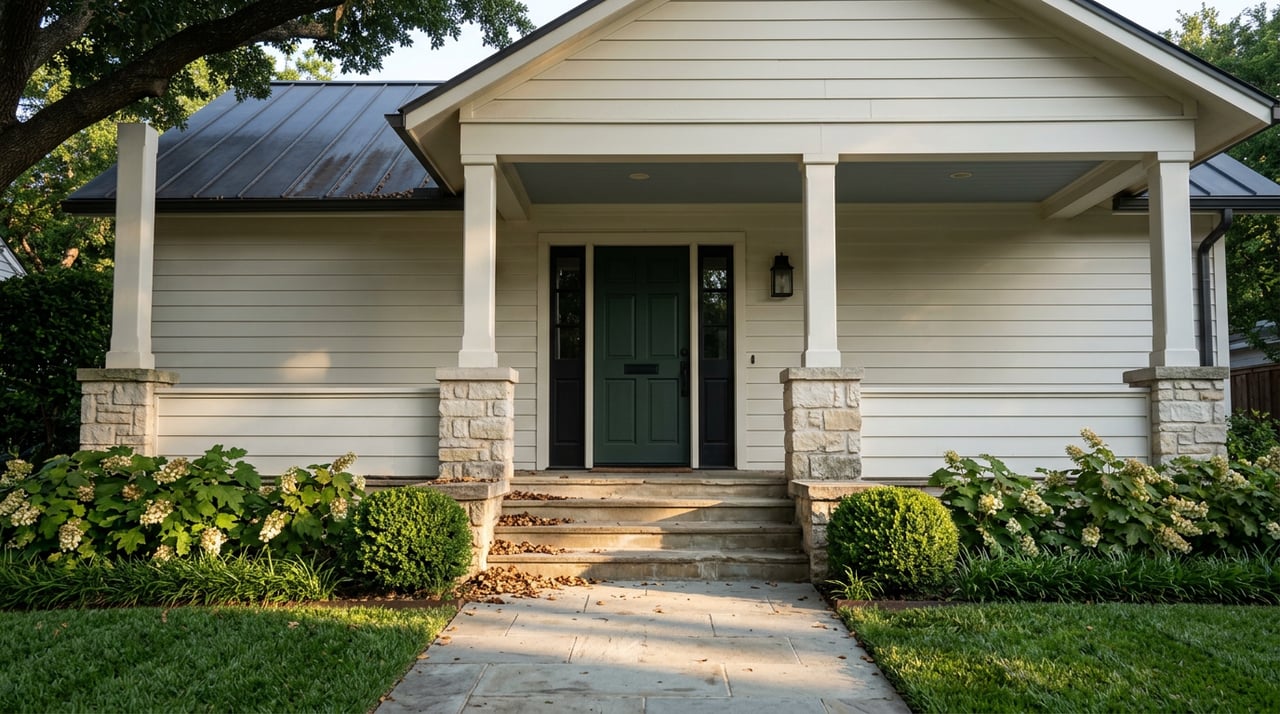
One of the most recognizable small-scale home types in Alamo Heights is found in the Cottage District. The city describes this area as smaller in scale than much of the rest of Alamo Heights, with mostly one-story homes, detached rear garages, and a strong presence of wood siding.
Many of these homes began as single-story houses and were later expanded with second-story additions, though almost none rise above two stories. That gives the area a lower-profile streetscape that feels more intimate than neighborhoods with taller or bulkier homes.
If you are drawn to charm, front porches, and a more traditional street presence, this style may feel especially appealing. Bungalow-style homes are generally known for sloping roofs and a compact footprint, which often suits buyers who value character over sheer square footage.
These homes can also feel manageable for everyday living if you prefer less house to furnish, clean, and maintain inside. The tradeoff is that older homes may require more attention to exterior materials, porches, rooflines, and past additions.
In Alamo Heights, visible exterior changes are expected to fit neighborhood scale and design standards. The city’s residential standards address things like setbacks, articulation, and how homes relate to the street.
In practical terms, that means the best updates usually respect the original proportions of the house. If you are buying a cottage with plans to expand, it is smart to think beyond square footage and consider how the home will still fit the block.
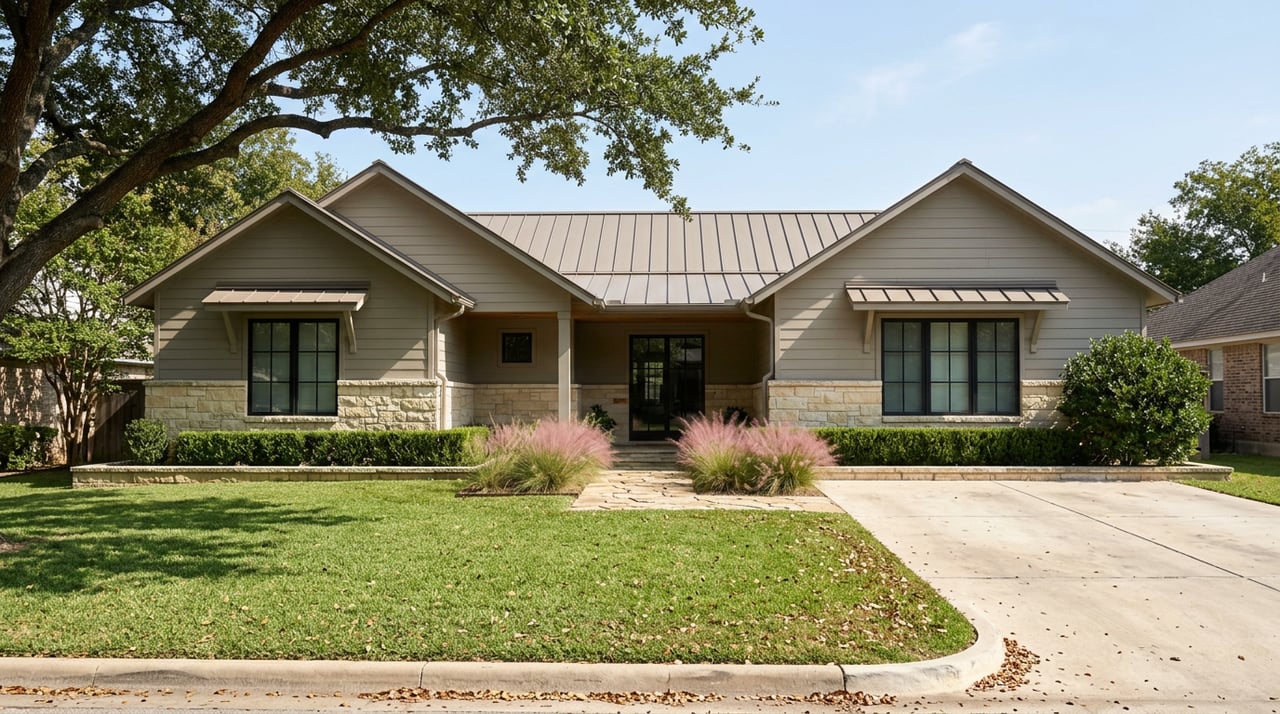
If your priority is one-story living and a layout that feels straightforward, ranch homes are a major part of the Alamo Heights story. The city identifies Sylvan Hills as a postwar neighborhood with mostly one-story houses, low plate heights, relatively large lots, and traditional ranch variations.
Ranch homes are widely associated with low rooflines and more open interior flow. In 1950s examples, large living rooms and substantial glass often helped connect indoor and outdoor areas.
For many buyers, ranch homes offer one of the easiest daily-living setups in the city. Fewer stairs and simpler circulation can make the layout feel practical, flexible, and comfortable over time.
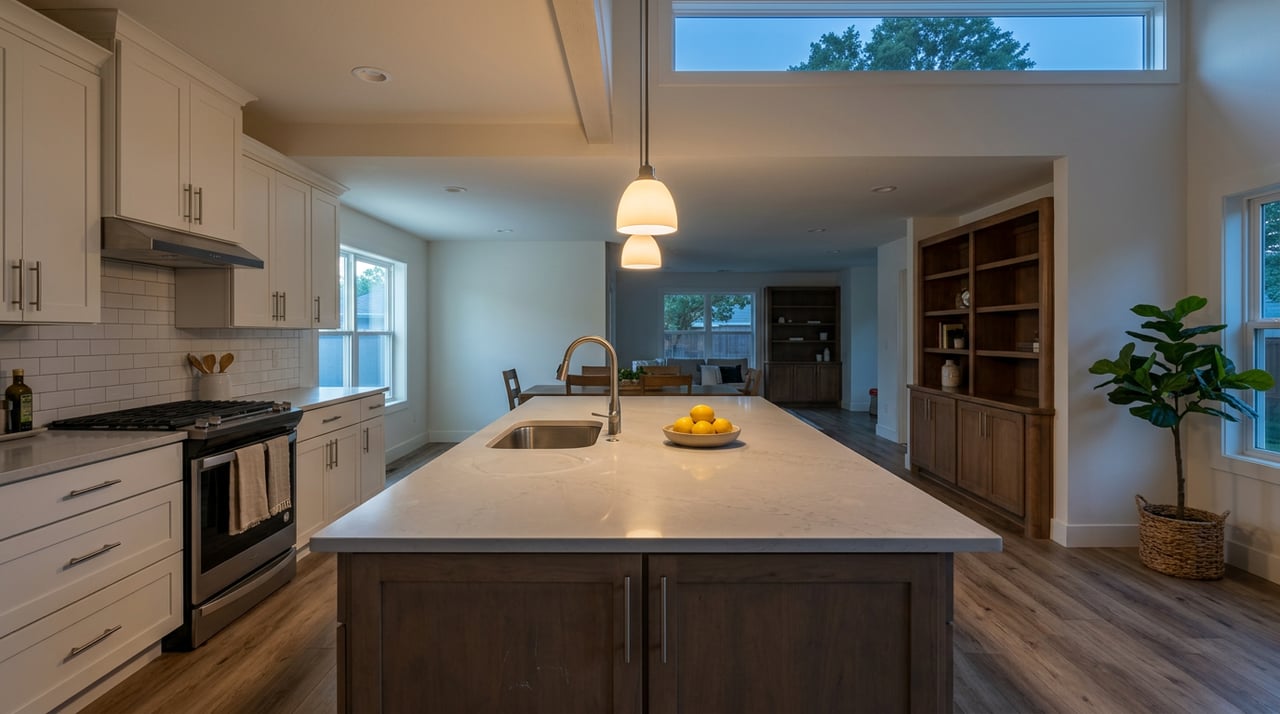
Ranches also tend to offer a clear renovation path. Owners often update kitchens, open interior partitions, add primary suites, or improve patio connections while keeping the home within its original one-story visual language.
Even when a ranch looks easier to update, local design rules still matter. Heights, setbacks, porches, and garage placement are all part of the city’s design framework.
That matters because a successful renovation in Alamo Heights is not just about what fits on the lot. It is also about how the finished result fits the surrounding street context.
Not every home in Alamo Heights is a detached house. The city’s survey notes a broad mix of multifamily housing types, including duplexes, triplexes, quadplexes, townhouses, row houses, condominium projects, courtyard housing, and bungalow courts.
These properties are especially present near the Broadway and Austin Highway corridors and in areas designated for multifamily development. Some older apartment buildings from the 1930s and 1940s still read as house-scale, which helps them blend more naturally into the city fabric.
If you want a lock-and-leave lifestyle, these options may be worth a closer look. The main appeal is often lower exterior responsibility compared with a traditional yard-and-garage routine.
In many condo settings, exterior repairs, common-area maintenance, and shared amenities are supported through association fees. That can make travel and day-to-day upkeep feel simpler, though it often comes with more rules and less private outdoor space.
Alamo Heights planning standards aim to keep many multifamily buildings house-scaled. The city also encourages front doors to face the street or a shared courtyard, with parking pushed away from the front half of the lot when possible.
That design approach matters because it helps many attached or shared-wall housing types feel more connected to the surrounding streetscape. If you are comparing home styles, this can make a big difference in how a property feels from the curb.
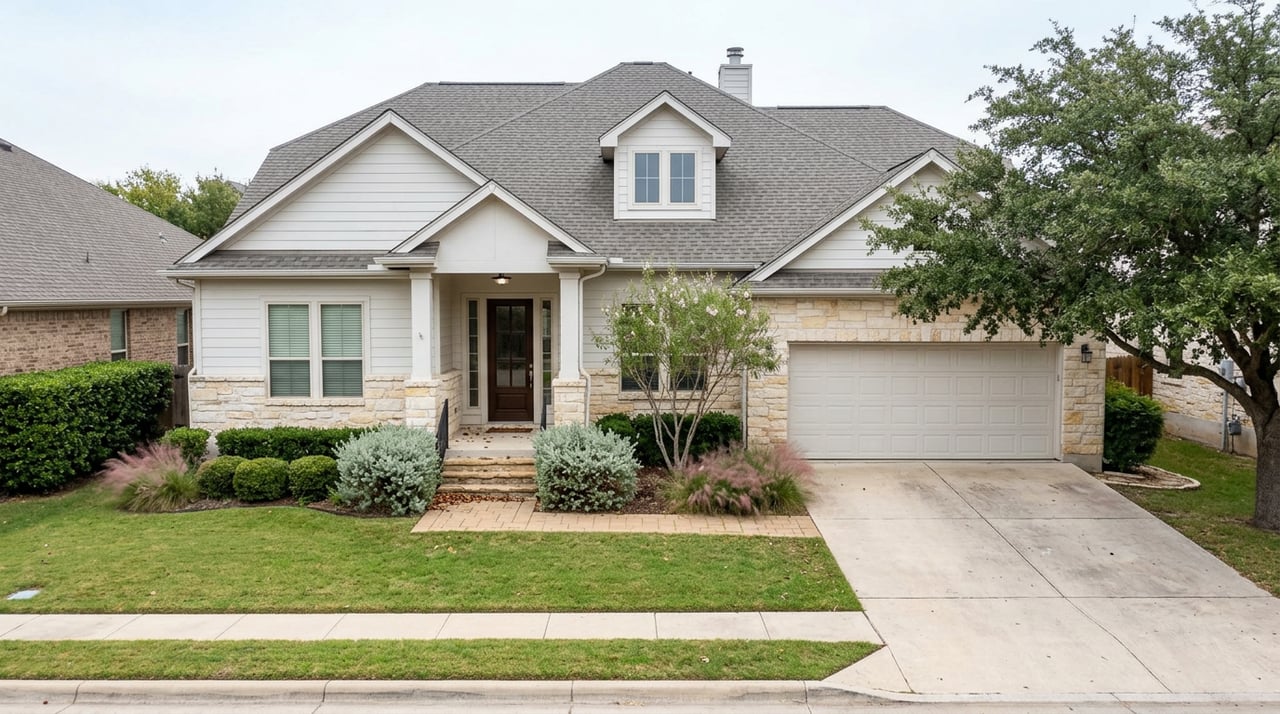
On the higher end of the market, Alamo Heights is often shaped less by one strict architectural style and more by site conditions. Wooded lots, irregular parcel shapes, topography changes, retaining walls, and views over the Olmos Basin all influence how homes are designed.
The city describes areas like La Jara as having substantial stone, brick, and stucco homes on heavily wooded lots with eclectic architecture from multiple eras. In places like Cambridge Oval and Patterson Loop, topography and irregular parcels shape the homes more than any one dominant style.
Many updated luxury properties in Alamo Heights focus on privacy, indoor-outdoor living, and landscape integration. A local Architectural Review Board submittal for a Prairie Style residence highlighted materials like brick, natural stone, and plaster, along with horizontal porches, broad overhangs, and a courtyard relationship to the backyard.
That same example emphasized open views through the house and around a heritage oak tree. It is a strong local example of how custom design here often responds to the site instead of forcing a one-size-fits-all blueprint.
If you own a higher-end home in Alamo Heights, architectural value is often tied to more than square footage. Buyers may respond to how the home handles privacy, trees, views, lot shape, and outdoor living spaces.
That is one reason presentation matters. When a property’s design is closely tied to setting, clear marketing, strong visuals, and thoughtful positioning can help buyers understand what makes it distinct.
One of the most important things to understand about architecture in Alamo Heights is that renovation potential is real, but it is not unlimited. The city has a formal review system that can affect demolition cases, certain multifamily and commercial projects, and some preliminary reviews.
The Demolition Review process considers the architectural or historical significance of the existing structure as well as the compatibility of the replacement or renovation. Major street-facing wall removal, large roof removals, and some two-story accessory structures can also trigger review.
If you are buying with plans to remodel, city review should be part of your planning from the start. A home with obvious upside may still require design decisions that align with neighborhood scale and city expectations.
If you are selling, understanding those rules can help you frame the home more accurately. Buyers often want to know not just what the property is today, but also what options may realistically fit within local standards.
The best home style in Alamo Heights depends on how you want to live. There is no single "best" option, only the one that fits your priorities, maintenance comfort, and long-term goals.
Here is a simple way to think about the main categories:
When you look at homes in Alamo Heights, it helps to think beyond labels. The real question is how the architecture supports your lifestyle, your maintenance preferences, and your plans for the future.
If you are weighing your next move in Alamo Heights, working with a local team who can help you read the details behind the architecture, lot context, and resale positioning can make the process much clearer. When you are ready for tailored guidance, connect with Bryan Warhurst for a concierge-level real estate experience backed by local market insight.
The Impact Group is a team of experienced, licensed real estate agents serving San Antonio and surrounding areas. With a proven track record of getting results quickly and a direct line of communication at all times.