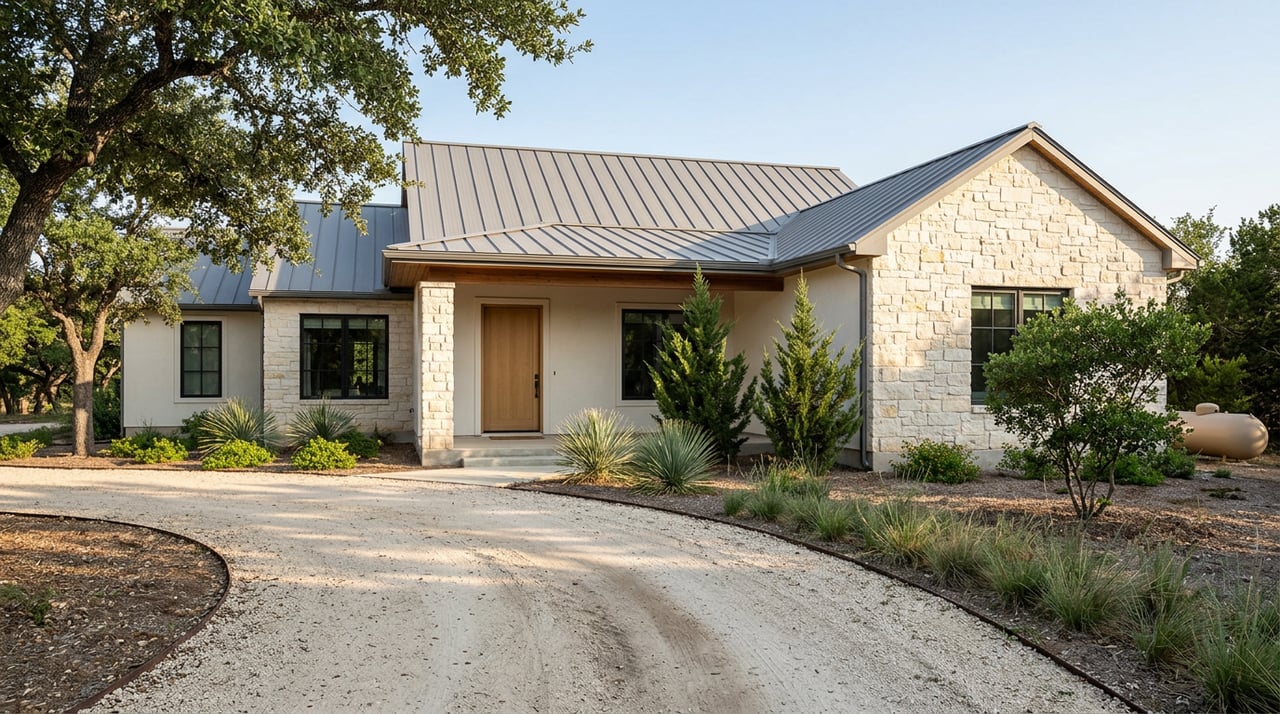
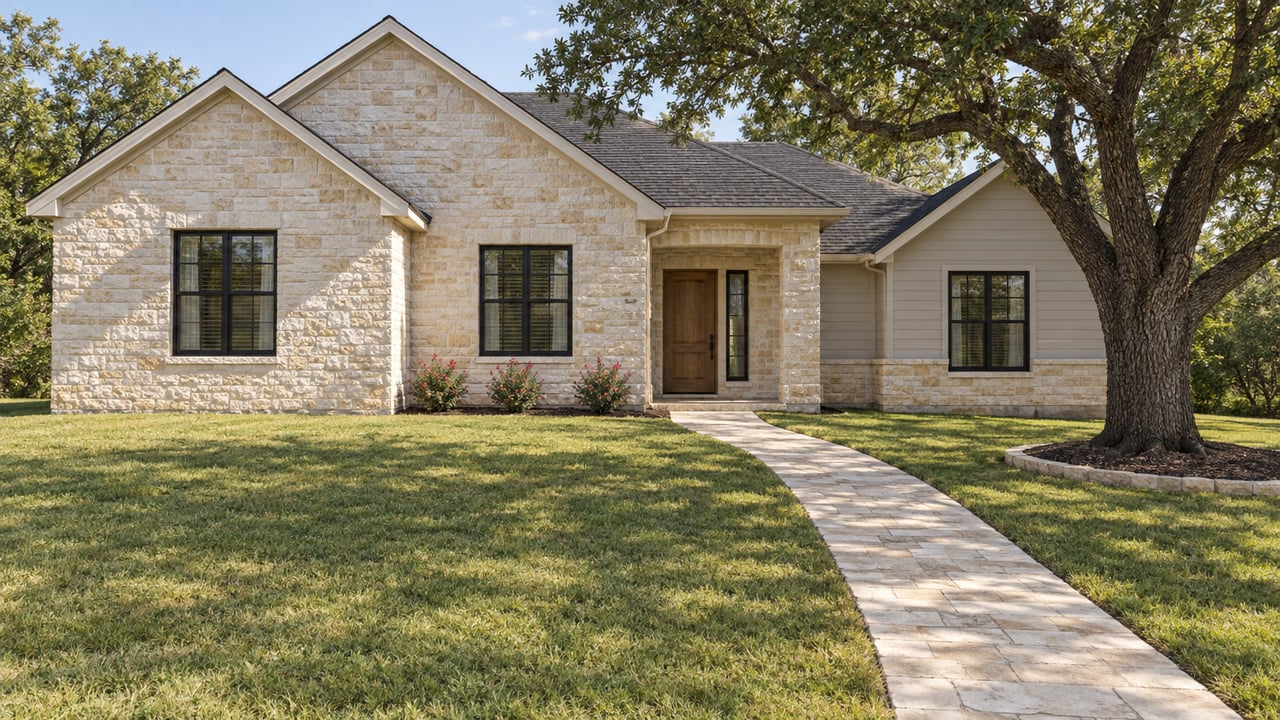
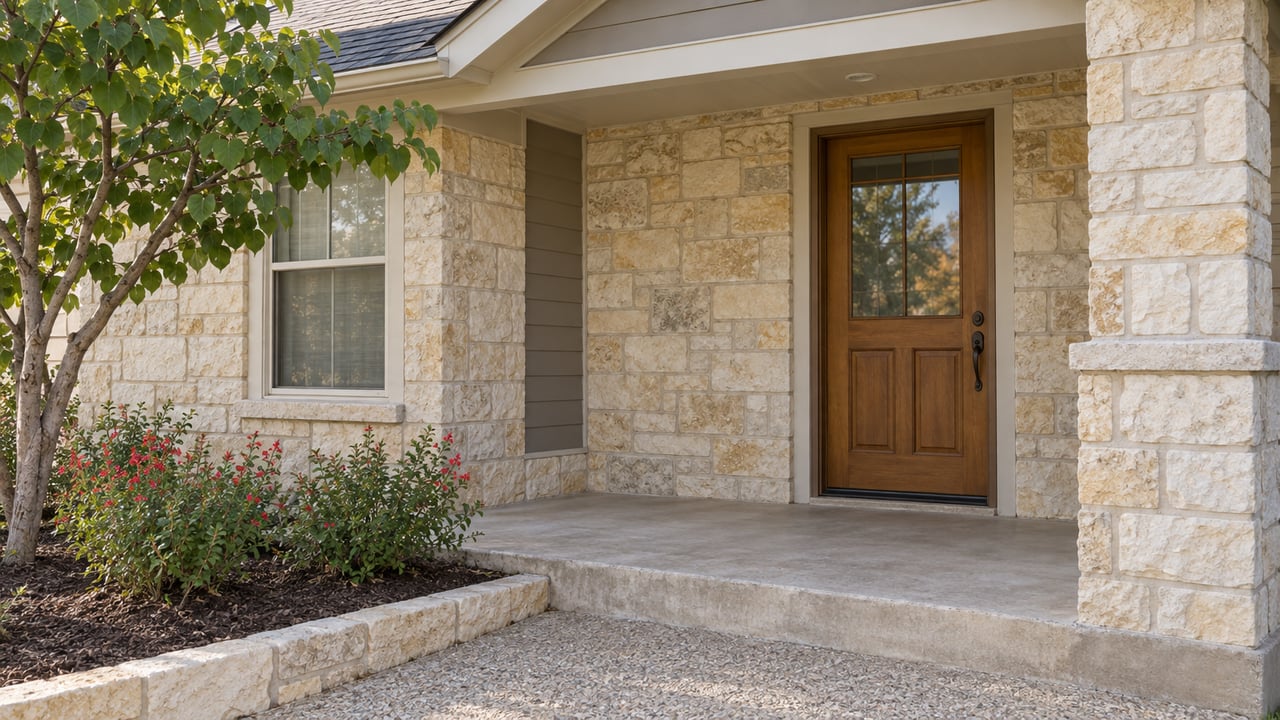
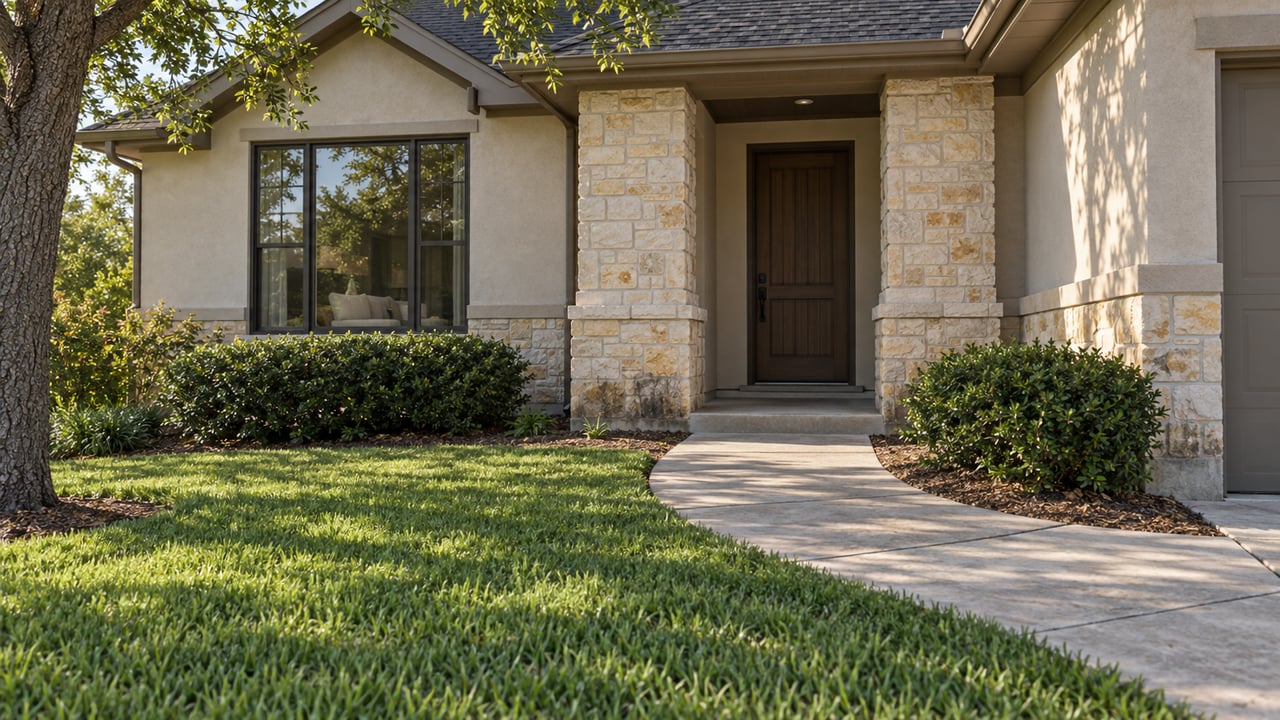
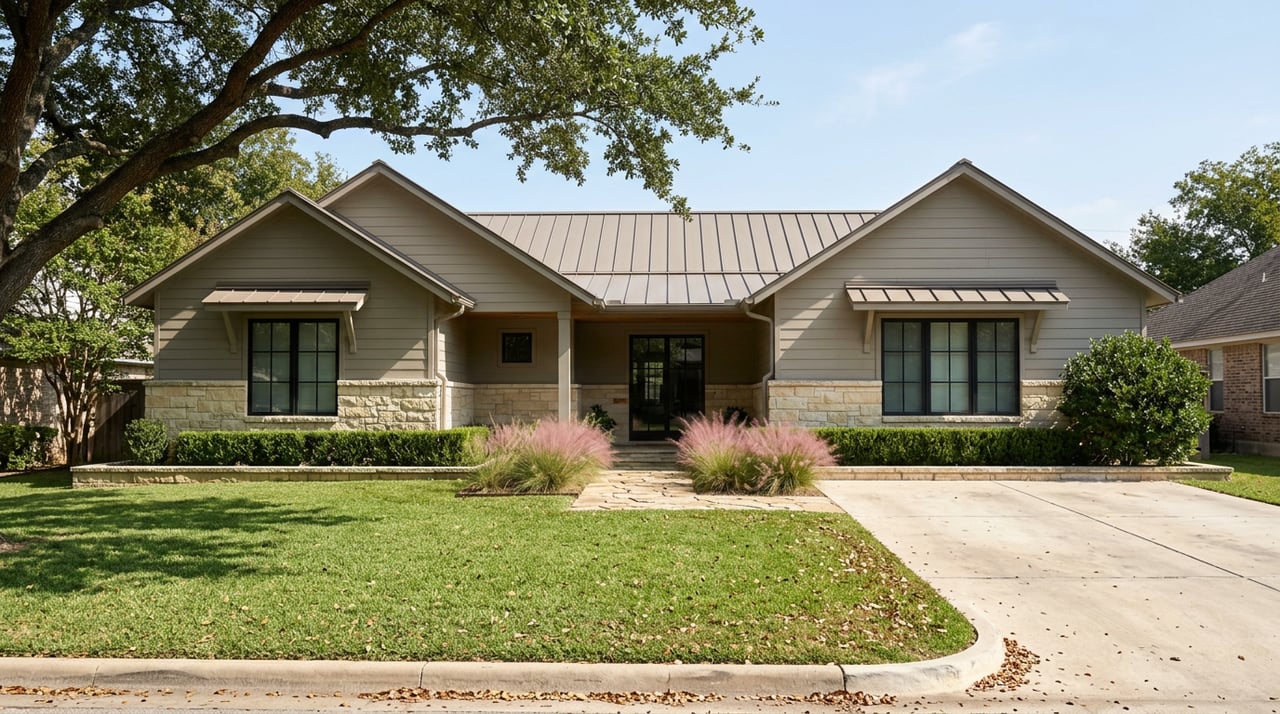
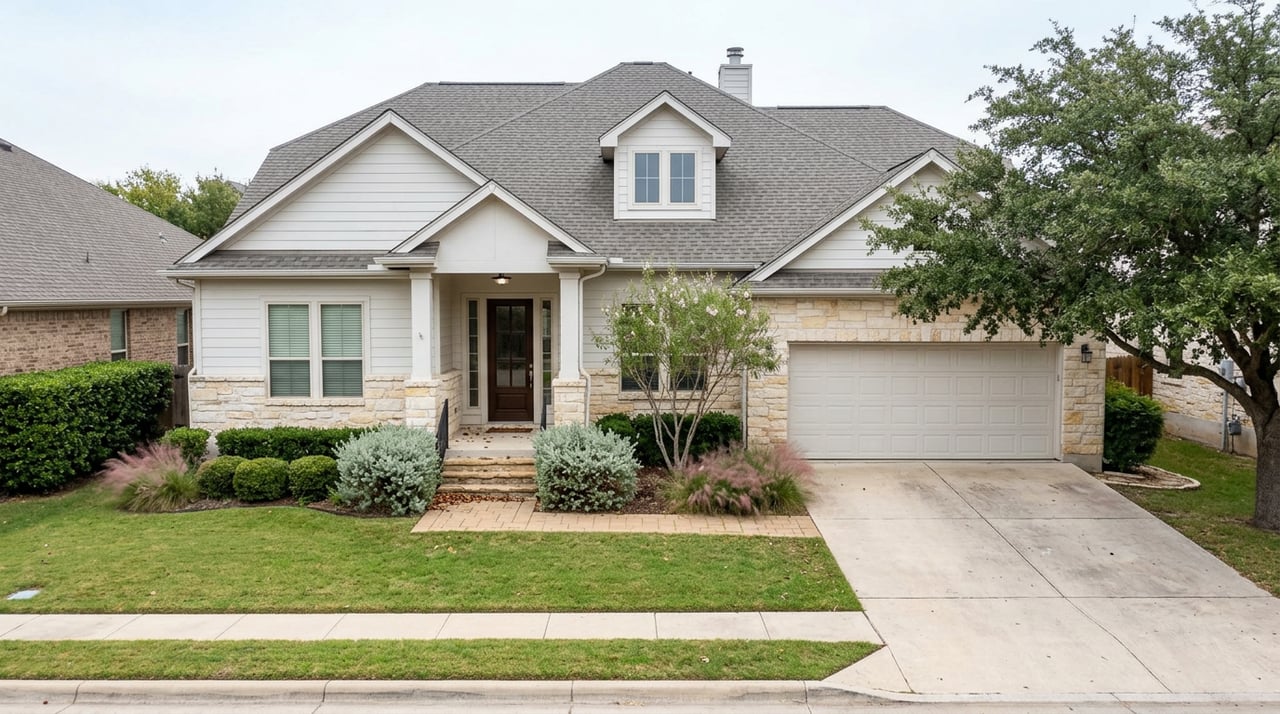
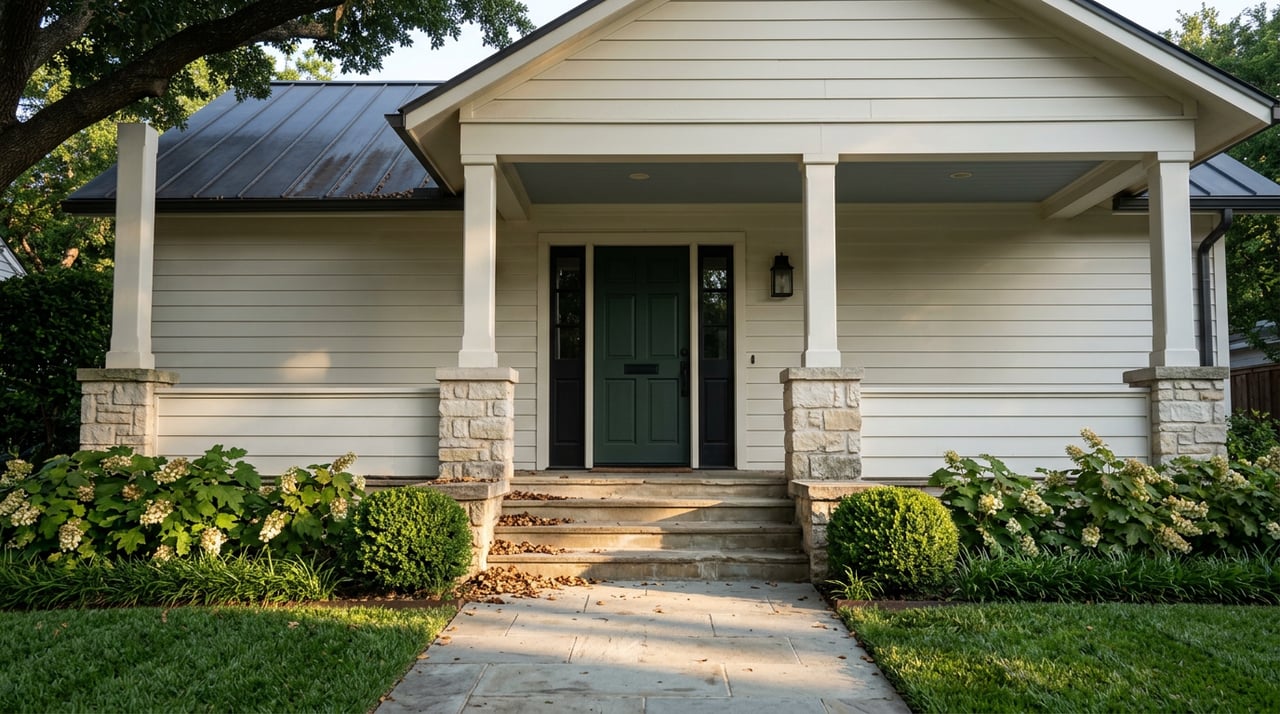
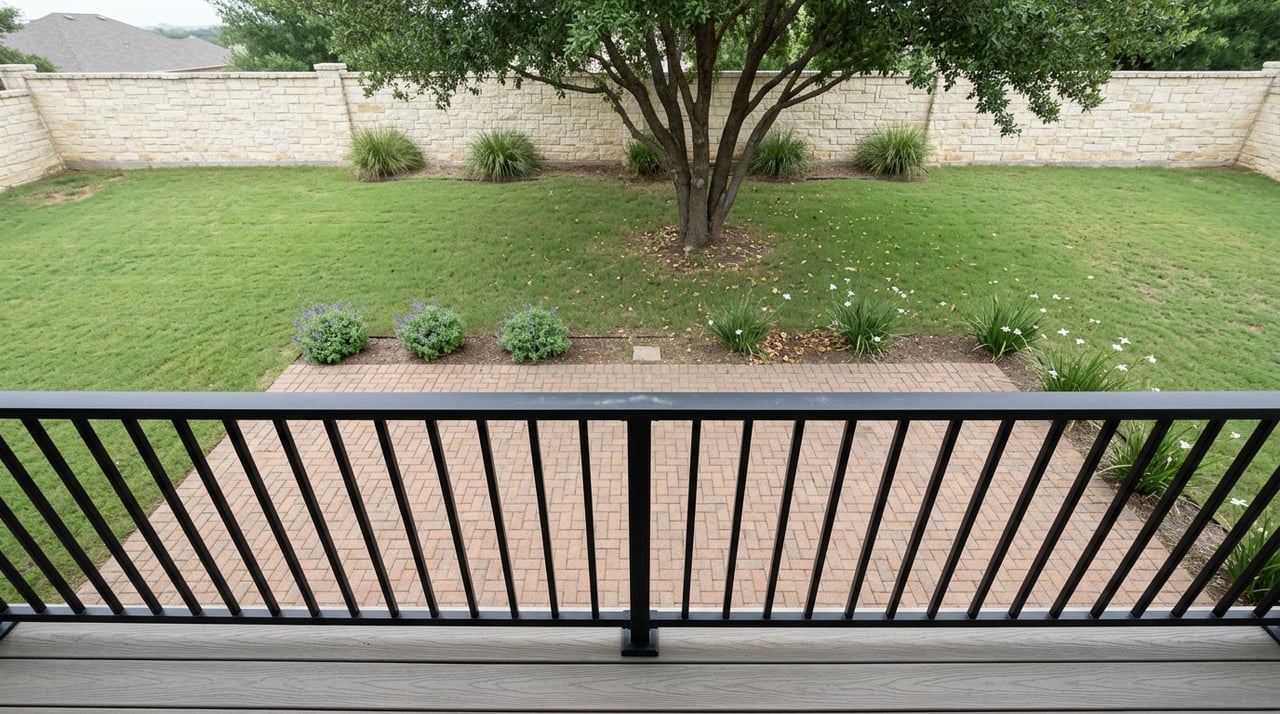
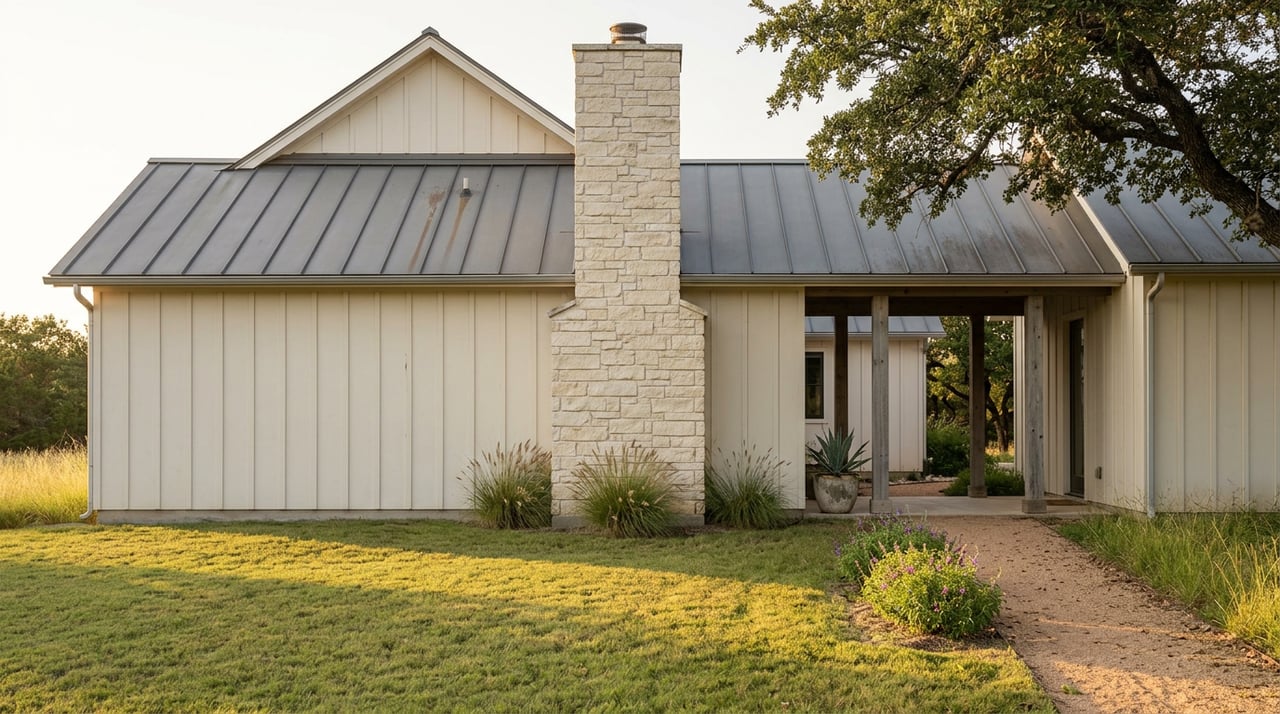
Picture your home tucked among live oaks with big Hill Country skies. If you are eyeing acreage in Bulverde, the view is only part of the story. Buying land to build is different than buying a finished home, and the details you verify up front can save you time, money, and stress. In this guide, you’ll learn what shapes price, how to confirm utilities, what wells and septic require, which permits apply, real site costs, and a step‑by‑step checklist to use before you close. Let’s dive in.
Bulverde land prices and sizes
Active listings around Bulverde range from 1 to 2 acre homesites to 5 to 10 acre tracts and larger ranch parcels. A common marketed lot size is about 1.2 acres. Prices vary widely based on size, utility access, paved road frontage, neighborhood amenities, and views. Smaller, build‑ready lots often cost more per acre than remote tracts.
What moves price the most:
- Water and electric to the lot vs. expensive extensions
- Septic feasibility and whether a prior design exists
- Paved public access and road maintenance
- Recorded HOA rules and architectural controls
- Topography, views, and proximity to services
Tip: Use recent MLS comps in the immediate area to judge value. Per‑acre averages across all listings are only a starting point.
Utilities to confirm before you offer
Bulverde’s utilities are provided by third‑party companies, not the city. Always confirm the exact provider for a specific parcel and request written availability.
- Water. Some neighborhoods have public water, while many outlying parcels plan for private wells. Contact the listed water provider and request a written availability or will‑serve letter for that lot. See the city’s utilities overview for provider contacts and boundaries at the City of Bulverde’s page on local utilities and services.
- Sewer or septic. Most acreage parcels will use an on‑site sewage facility. Comal County oversees permitting and requires a site and soil evaluation, plus a design from a qualified pro when needed. Review the county’s OSSF steps and requirements.
- Electric. Service is provided primarily by CPS Energy or Pedernales Electric Cooperative depending on the location. Ask about service boundaries, meter and pole fees, and whether underground is possible. Use the city utilities page above for provider direction.
- Internet. Parts of Bulverde have fiber, but many rural tracts rely on fixed‑wireless or satellite. Do not assume fiber is available. Verify address‑level options and realistic speeds before you buy.
- Solid waste and fire/EMS. Trash service inside the city is typically franchised. Fire and EMS coverage varies by district, and distance to hydrants or stations can affect insurance premiums. Confirm coverage with the city utilities resource above and your insurer.
Wells and septic basics in the Hill Country
Bulverde sits on Hill Country limestone and karst formations tied to the Edwards and Trinity aquifer systems. That geology can deliver strong wells in some areas and also requires care with wastewater land application. Learn more about regional aquifers from the Edwards Aquifer Research and Data Center’s aquifer information overview.
- Septic feasibility. Comal County requires a site evaluator and, in many cases, an engineered design. If the soil is shallow or the lot lies in a sensitive recharge area, you may need an aerobic system, mound, or other alternative that costs more and requires ongoing maintenance. Review the county’s OSSF permit process and plan extra time for evaluations and inspections.
- Private wells. Domestic wells must be drilled by licensed drillers and recorded. Depth, casing, and pump needs vary by site, which can push costs from several thousand to tens of thousands of dollars. Ask nearby owners about well depth and yield, and request available well logs. For planning context, see this consumer guide to Texas drilling from DrillerDB.
Floodplain, drainage, and site grading
Many Hill Country parcels include creeks, low areas, or steep slopes. Always check FEMA maps, then confirm with Comal County or the City of Bulverde whether floodplain approvals apply. Start with FEMA’s Flood Map Service Center to identify mapped zones on a parcel.
Budget for potential drainage studies, erosion control, and rock work. On some sites, limestone excavation or limited blasting can add time and cost. Your builder and site engineer can help you site the build pad and plan stormwater management.
Permits and who regulates your lot
Which rules apply depends on whether the property is inside Bulverde city limits, in the ETJ, or fully unincorporated.
- Inside Bulverde. Building permits, plan review, drainage analysis thresholds, and tree‑removal permits may apply. See the city’s Building Review and Inspection page for applications and checklists.
- Unincorporated Comal County. The county handles OSSF permits, floodplain approvals, driveway and right‑of‑way permits, and development services. Start with Comal County’s Permits and Development Services resource.
Always verify jurisdiction before you write an offer. That changes timelines, submittals, and your carrying costs.
Deed restrictions and title items to check
Many newer acreage communities near Bulverde have recorded covenants. These can set minimum home sizes, materials, setbacks, fencing rules, animal limits, and shop or metal building guidelines. Other tracts market as no HOA but still carry easements. Request all recorded CCRs and any architectural control rules before you commit.
Mineral rights are a separate issue. In Texas, mineral estates are often severed from surface ownership. Ask for a title commitment that clearly addresses mineral ownership and any oil or gas leases, and understand what the seller is conveying. For larger or strategic purchases, consider a mineral title opinion. Learn the basics of mineral verification from Landquire’s mineral rights guide.
Budget: land build costs and financing
Financing raw land looks different than a standard mortgage. Land‑only loans often require 20 to 50 percent down with higher rates and shorter terms. If you plan to build, look into construction‑to‑permanent loans or two‑phase construction loans. See Fannie Mae’s guidance on construction‑to‑permanent financing for how these structures typically work.
Budget planning checklist:
- Septic permitting and installation. Simple conventional systems can be a few thousand dollars. Engineered aerobic or mound systems can run tens of thousands. Review the county’s OSSF steps and get quotes tied to your soil conditions.
- Well drilling and equipment. Costs swing based on depth and geology. Plan for several thousand to tens of thousands of dollars. See DrillerDB’s Texas well guide for context.
- Utility extensions. Poles, meters, trenching, and water main taps add up, especially with long runs. Ask the listed providers for written estimates using the city’s utilities resource.
- Driveway and site work. County driveway or right‑of‑way permits, grading, rock excavation, erosion control, and drainage features should be part of your budget. Start with Comal County’s Permits page.
- Surveys and reports. Plan time and fees for boundary or ALTA surveys, a topographic map, and possibly a geotechnical report. Inside the city, review Bulverde’s building review for submittal needs.
- Custom build costs. In the Hill Country, custom homes commonly range from the mid‑$200s to $400+ per square foot depending on finishes and site complexity. Site prep is usually on top of the per‑square‑foot figure. For a helpful overview, see this local builder’s cost to build a custom home.
Your due‑diligence checklist before you close
Use this list to protect your plan and budget. Build these into your offer as contingencies when possible:
- Utility availability letters from the water provider and the electric company, plus sewer if applicable. Use the city’s utilities and services directory.
- Septic feasibility. Order a site and soil evaluation and confirm that a permit can be issued for your planned bedroom count. Review the county’s OSSF process.
- Well due diligence. Ask for nearby well depths and yields, and collect any available logs. Plan conservative budgets if drilling is needed. See Texas well planning basics.
- Recorded CCRs or HOA documents. Confirm fees, building minimums, and any pending assessments or architectural rules.
- Title and minerals. Require a title commitment that addresses mineral rights and any recorded leases. Consider a mineral title opinion for larger tracts. See mineral rights verification guidance.
- Surveys and access. Order a boundary or ALTA survey that shows easements, access corridors, and encroachments. Confirm who maintains any private road.
- Floodplain determination. Pull FEMA maps and request county or city confirmation. Start at FEMA’s Map Service Center.
- Permitting pathway. Schedule a pre‑application call with the City of Bulverde or Comal County to outline required permits and timelines. See Bulverde Building Review or Comal County Permits.
- Build timeline and financing. Align your lender’s draw schedule with your builder’s timeline if using a construction or CTP loan. Review Fannie Mae’s CTP guidance.
- Taxes and valuations. Confirm taxing jurisdictions and ask the appraisal district about special agricultural or wildlife valuations if you plan those uses.
Ready to walk land with a plan?
Buying acreage in Bulverde can be a great move if you confirm utilities early, budget for wells and septic, and map out permits and timelines. A local, boots‑on‑the‑ground strategy will help you avoid surprises and protect your build.
If you want a second set of eyes on a tract, or you need a step‑by‑step plan from offer to build, reach out to Bryan Warhurst for local guidance and a smooth path to your Hill Country home.
FAQs
How much do 1–5 acre lots cost in Bulverde?
- Prices vary widely by location, utilities, and views. Many buildable 1–2 acre homesites trade in the low hundreds of thousands, with per‑acre prices often higher for smaller, utility‑ready lots.
Who provides water and electric in Bulverde?
- The city does not run utilities. Water service is offered by third‑party providers in certain areas, and electric service is typically CPS Energy or Pedernales Electric Cooperative. Always get written availability from providers listed on the city’s utilities page.
Will I need a septic system on acreage?
- Most acreage parcels use an on‑site sewage facility. Comal County requires a site and soil evaluation and may require an engineered system. Plan for permitting lead time and ongoing maintenance if an aerobic system is needed.
How do wells impact my budget and timeline?
- Well costs depend on depth and geology. Budget conservatively for drilling and equipment, confirm nearby well logs when available, and understand that scheduling and lead times can affect your build start.
What permits should I expect before building?
- Inside Bulverde, expect building permits and may need drainage analysis and tree‑removal permits. In unincorporated areas, the county handles OSSF, floodplain approvals, and driveway or right‑of‑way permits. Jurisdiction determines the exact steps.
Do HOAs and deed restrictions limit what I can build?
- Many acreage communities have CCRs that set minimum sizes, materials, and rules about outbuildings or animals. Always request and review recorded documents and architectural guidelines before you buy.
How are mineral rights handled when buying land?
- Mineral estates can be separate from surface ownership in Texas. Ask for a title commitment that addresses minerals and any leases, and consider a mineral title opinion for larger or strategic purchases.